
Breaking Down Scoliosis: The Many Types
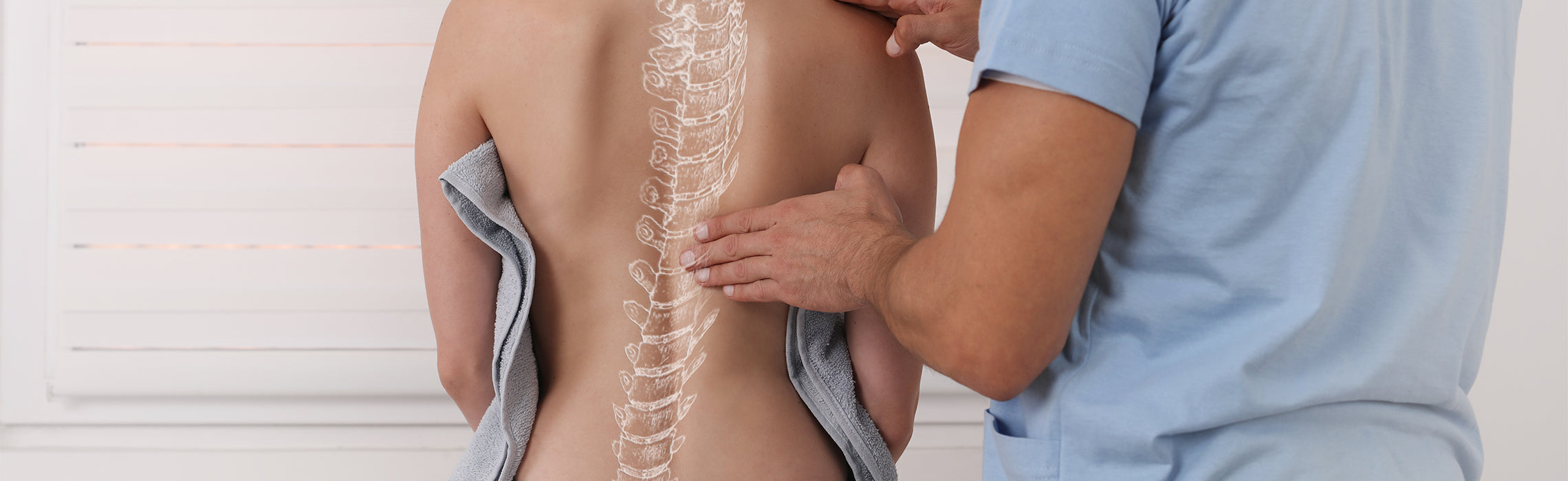
Scoliosis is defined at the sideways curvature of the spine. While it is normal for the spine to curve just a bit, a more severe curve that looks like a “C” or an “S” is abnormal. Scoliosis occurs most often during the growth spurt just before puberty and can have many different causes, such as birth defects, neuromuscular conditions, and injuries or infections of the spine. However, many times the cause of scoliosis is unknown. Most of the time scoliosis is mild, but some children do develop more severe spine deformities as they grow. Scoliosis can sometimes be identified by its symptoms, including: uneven shoulders, an uneven waist, one hip that is higher than the other or one shoulder blade that is more prominent than the other. Additional signs of scoliosis could be back pain and exhaustion after standing for a long period of time. The most common type of scoliosis is called idiopathic scoliosis, which is grouped by age:
- Infantile scoliosis: in children age 3 and younger.
- Juvenile scoliosis: in children age 4 through 10.
- Adolescent scoliosis: in children age 11 through 18.