
How to Prevent Gardening Injuries
By Brian Acton
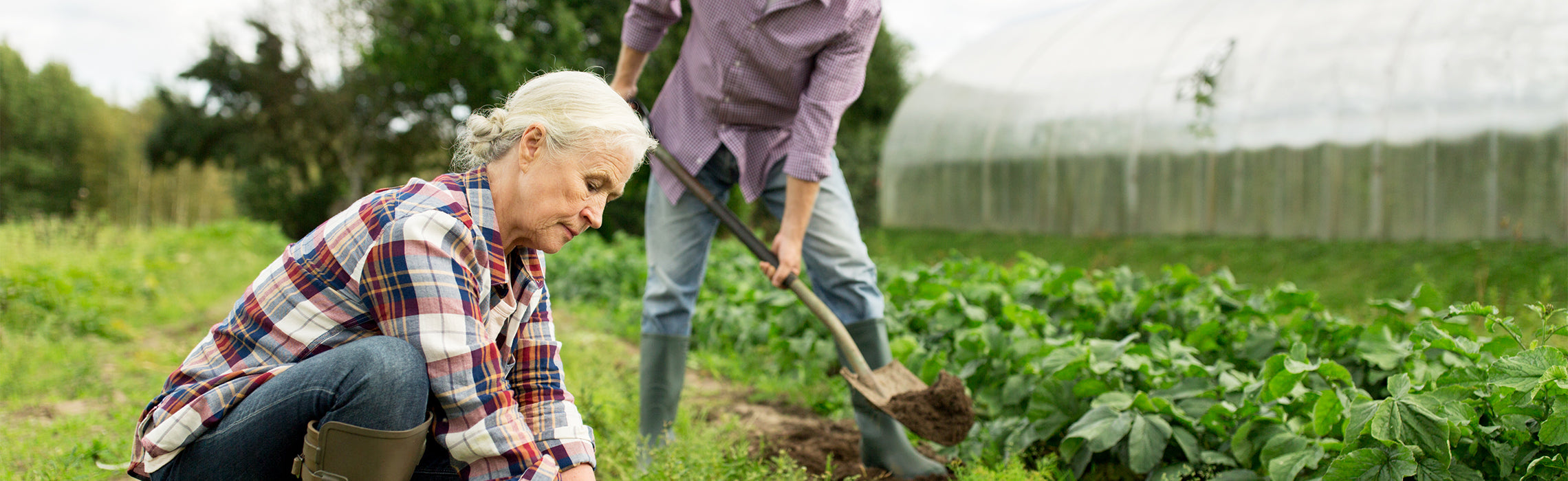
Gardening season is finally here, and it’s time for gardeners to get outside and go to work. But anyone with a green thumb knows that gardening can be deceptively hard labor that comes with the risk of injuries. When you get out in the garden this spring and summer, make sure to take steps to protect yourself.
Here are seven tips for preventing common gardening injuries.
- Warm Up - A quick period of warmup exercise can help prevent sprains, strained muscles, fatigue, and other overuse injuries. Warming up increases your circulation, heart rate, and body temperature, loosens up your joints and muscles, and gradually prepares the body for exercise. Make sure to do some light cardio, stretches, and/or strength exercises for 20 minutes or more before you head to the garden.
- Wear Gloves - Wearing gloves in the garden does more than keep your hands clean. Working among plants, shrubs, weeds, rocks and gardening tools can cause you to cut and scrape your hands. Wearing gloves will reduce that risk and help prevent a cut or scrape from developing an infection.
- Take Care with Garden Equipment - Always use garden tools and equipment for their intended purpose - using a serrated kitchen knife to trim back shrubs is a recipe for disaster. You should make sure your tools are sharp and properly maintained before working with them. Make sure to turn off and unplug electric or gas-powered tools when you aren’t using them. Gardening involves a lot of repetitive tasks with potentially dangerous equipment, so switch up your tasks periodically to avoid issues.
- Take Breaks - When you get in the zone, it’s easy to push your body past a healthy limit. Working too long without breaks can cause muscle fatigue, sprains, overheating, and other overuse injuries. Make sure to take periodic breaks so you don’t push your body past its limit.
- Stay Hydrated - Whenever you’re working outdoors, it’s important to drink plenty of water to avoid dehydration. Your body sweats to cool you down and prevent overheating, and you need to replace that water before a loss of fluid affects your bodily functions. Make sure to hydrate before your gardening session and take frequent water breaks.
- Avoid the Midday Heat - Exercising in the heat can cause heat exhaustion, heat cramps, and even heatstroke in extreme circumstances. When it’s hot outside, avoid gardening between 10AM and 3PM, which is typically the hottest time of day. Instead, do your gardening in the early morning or later in the evening.
- Block UV Rays - Spending hours working in the sun can lead to prolonged exposure to ultraviolet (UV) rays, which can cause painful sunburns in the short-term and increase your chance of developing skin cancer in the long-term. Wear clothes that block UV rays - including hats and long sleeve shirts. Make sure to apply at least SPF 30 sunscreen 15 minutes before you go outside and keep reapplying as you work.
Sources:
https://my.clevelandclinic.org/health/treatments/9013-dehydration
https://www.coreproducts.com/blogs/news/what-you-need-to-know-about-sunscreen-this-summer
https://gardenknow.com/should-you-wear-gardening-gloves/
https://www.mayoclinic.org/healthy-lifestyle/fitness/in-depth/exercise/art-20048167
http://www.nsmi.org.uk/articles/injury-prevention/warming-up.html