
Skip to content

Cart

Your cart is empty

Article: Juvenile Arthritis Affects Nearly 300,000 Families

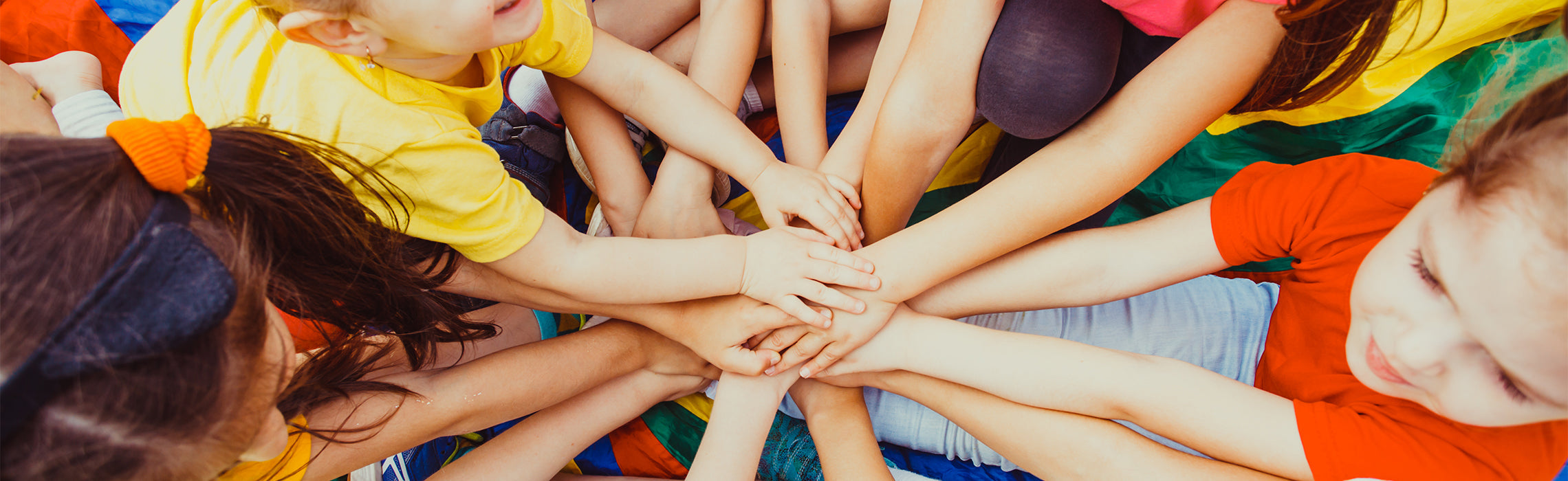
Top-down view of children placing their hands together in the center on a colorful parachute, representing teamwork, unity, and group play or youth activity.
Arthritis

Juvenile Arthritis Affects Nearly 300,000 Families

Typically when we hear the word arthritis our minds immediately envision older adults. This isn’t always the case as approximately 294,000 children are afflicted with arthritis or what is coined juvenile arthritis. What is juvenile arthritis? Well, first and foremost, arthritis by definition typically affects the joints but can also involve one’s eyes, skin, and gastrointestinal tract. The term juvenile arthritis is general and describes the many conditions that can develop in children. Juvenile arthritis is typically an autoimmune disorder meaning the immune system attacks its own healthy body. The most common type of juvenile arthritis is JIA or juvenile idiopathic arthritis. There are four types of JIA:
  1. Oligoarthritis – about 40 percent of patients are diagnosed with this type involving four or fewer joints
  2. Polyarthritis – involves five or more joints
  3. Systemic – a rather broad diagnosis that can involve the entire body. This makes up only 10 percent of cases.
  4. Enthesitis-related – this type involves inflammation of places where tendons attach to bone.

Common symptoms include pain, swelling, and stiffness in joints as well as a limited range of motion depending on the exact symptoms. Arthritis can damage joint cartilage and bones as well as altered growth of bones and joints. For children this is particularly worrisome because it can cause short stature and impair the use of some joints. Try to stick to as many of your child’s normal activities as possible and maintain their normal routine. These comforting habits are possible and can take the focus away from arthritis – something that shouldn’t be the center point of their life. Juvenile arthritis does not limit what activities a child can or cannot do. The pain from arthritis is the limiting factor, not the ailment itself. It may be difficult for parents to deal with a child diagnosed with arthritis. This is normal. However, do not feel as if the child cannot participate in activities. In fact, the opposite should ring true. Allow an arthritic child to participate as many activities as they’d like or are capable of doing. For more information about juvenile arthritis visit www.arthritis.org.

Read more

Black-and-white collage of torn paper strips repeatedly printed with the words “CHRONIC PAIN,” with a central bold strip highlighting the same text, representing ongoing pain awareness and health condition education.
Back Pain

Recognizing and Treating Chronic Pain

Pain is your body alarming you to injury, ignoring or pressing snooze for this alarm can lead to conditions far worse than a stiff back in the morning. Pain is more than just a symptom; it is a deb...

Read more
Three orange jack‑o’‑lantern candy containers filled with candy corn and fall treats, arranged close together against a dark background, representing Halloween decorations, seasonal sweets, and festive holiday décor.
General Health

Trick or Treat! Healthy Halloween Choices

Halloween is just around the corner, so before you head out to the store to buy a mixed bag of candy for your trick-or-treater; take the time to learn about the nutritional facts in candy. Hallowee...

Read more