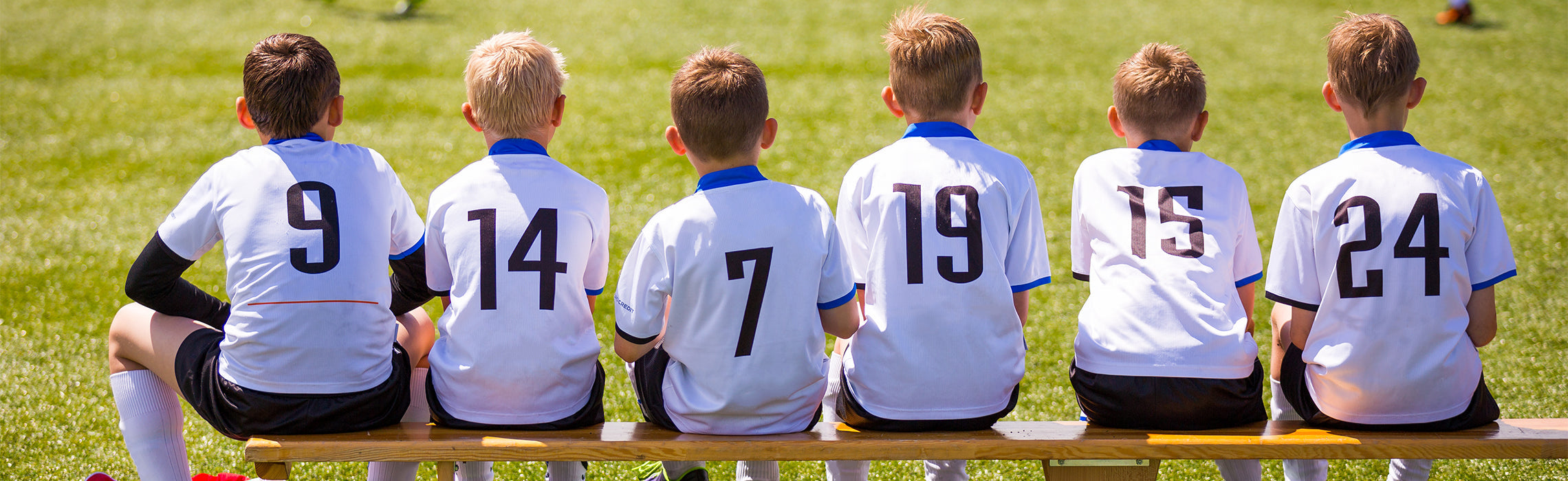

Tips for Encouraging Activity with Kids who Aren’t Athletic
By Brian Acton
The modern childhood – with the temptations of video games, the online world, and indoor creature comforts – can be all too accommodating to kids who are disinterested in team sports or athletics. Add in shrinking recess times and large homework loads and you have increased demands to spend time indoors and a decreased demand for outdoors exercise. As you probably know, exercise is crucial for your child’s health, and childhood obesity rates are at an alarming level. But for children who aren’t into competitive sports or other outlets for physical activity, it can be difficult to motivate them to get their heart rate up and burn some calories. Here are a few tips to encourage your non-athletes to get more physical exercise:
Choose Alternatives to Team Sports - Some kids just aren’t into team sports – they may not be competitive or team-oriented. For those kids, activities that can be done alone or with friends in a non-competitive setting is preferable. Hiking, swimming, or rock climbing are great examples, but it all depends on what you have available in your area and your child’s preferences. Try to participate with your child as much as possible. It may take some trial and error before they find an activity that is a great fit.
Limit Screen Access - One of the greatest drains to child activity in is the time they spend in front of a screen. On average, kids can spend anywhere from two to six hours in front of a screen every day: this counts television, tablets, computers, and video games. Too much screen time takes away from opportunities to exercise and also becomes extremely habit-forming. Limiting screen time can help kids get motivated to exercise. If kids can’t entertain themselves through passive entertainment, they’re more likely to find alternatives to occupy their time. A few techniques that can help you do this: keep televisions and PCs out of your kids’ bedrooms. Keep the computer in a mutual family space that can be supervised. And use a timer to track screen time.
Gamify the Experience - Kids today understand video game logic – and you can encourage exercise by applying that logic to the real world. Video games tend to reward players by completing tasks in game, helping make their characters more powerful or giving them new abilities. If you’ve ever made a chore chart for your kids (with rewards, stickers, or points as motivation) you’re already familiar with the concept: giving your kids incentive to complete activities by giving them a way to track progress and reward themselves. The details on how to do this are up to you, but all you really need is a system for rewarding exercise:
- Fitness apps track activity and even provide rewards or point-based systems to completing tasks. If the whole family gets them, you can engage in friendly competitions or challenges to see who can be the most active. One of our favorites – Zombies, Run! – uses headphones and an app to motivate users to outrun zombies, rewarding players with virtual supplies to build up a base in game.
- Instead of fitness apps, you can use an analog approach and have an exercise chart on the wall – logging your child’s exercise. A certain amount of points can result in a treat such as a trip to the movies.
Feel free to get creative. Games are a great way to motivate kids and adults to have fun while taking fitness seriously. Lead by Example, it’s difficult to make your kids see the value of exercise when you’re splayed on the couch watching Netflix all night long. If you can’t make time away from the screen to exercise, your kids will likely follow in your footsteps. And wanting them to be more active is a perfect opportunity for you to practice what you preach. You can start by participating in activities with your kids – playing catch, going for a walk, visiting a museum or park – and extend that to times when you’re on your own, as well. Your kids will take notice of your behavior, even if they don’t come out and say it.
In Closing, Team sports are a great way for kids to introduce themselves to fitness and physical activity, but they aren’t for everyone. Luckily, there are so many alternatives that fit a variety of personalities. By limiting screen time, incentivizing exercise, and leading by example, you can help your child develop a love of exercise that will benefit them for their entire lives.