
Home Childproofing Safety Tips for National Poison Prevention Week
By Brian Acton
National Poison Prevention Week is March 15th - 20th this year, providing the opportunity to generate awareness around some of the more dangerous household items in your home. While everyone can potentially ingest poisonous substances, children are some of the most vulnerable.
With some commonsense precautions, poison education, and awareness, you can help keep children safe from poisonous substances in your home. Here are three child safety tips for National Poison Prevention Week.
- Childproof Your Home
Children are notoriously skilled at getting into things they shouldn’t. Even if you don’t have children and you rarely have young visitors, it’s a good idea to keep poisonous materials out of the reach just to be safe. Some helpful childproofing tips include:
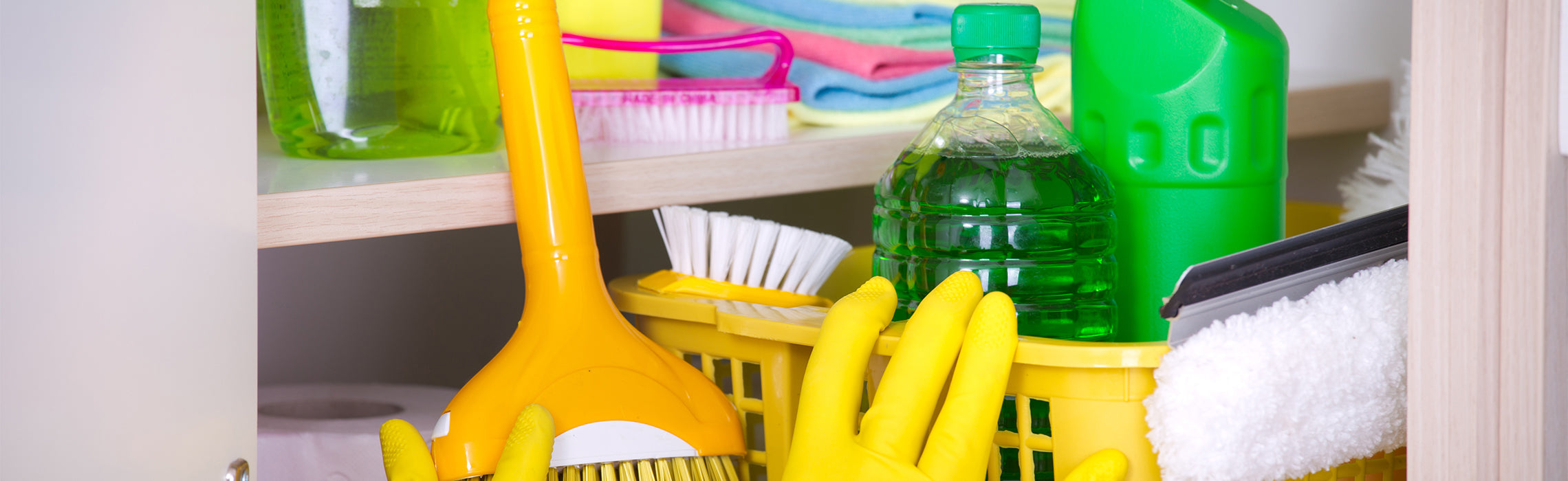
- Keep cleaning materials, pest sprays, and other poisonous household items out of the reach of children. This means clearing out the areas under the sink and easy to reach pantries and cabinets, and keeping poisonous substances on high shelves.
- Use safety latches or locks on all cabinets containing cleaners or other chemicals.
- Store medicines and prescriptions in a cabinet using a safety latch. Kids can be inventive and climb on sinks or toilets to reach items, so locking or latching your medicine cabinet is a good idea.
- Make sure medications are kept in childproof containers that are difficult to open.
- Keep automotive and gardening products out of reach and locked away in your garage or in a shed if possible.
- Don’t leave alcoholic drinks within reach. Consider keeping your alcohol in a locked cabinet.
- Know all the plants in your home and your yard, and consider removing any poisonous ones. Don’t let kids eat anything they find outside.
- Don’t simply dispose of poisonous materials on top of the trash where kids can easily reach it.
Many items can be poisonous or hazardous to children - including hand sanitizer, perfume or cologne, hair spray and hair dye, nail polish remover, and other household products. It’s a good idea to consider a child’s perspective and get down on your hands and knees to see what is within reach.
- Acquire Mr. Yuk Stickers
To generate awareness of poison control centers, the Pittsburgh Poison Center created the Mr. Yuk symbol. Today, Mr. Yuk is used to promote education around poison and the availability of centers, which are open 24 hours a day all year round.
Every Mr. Yuk sticker contains the name of the nearest poison control center and the national toll-free poison control telephone number: 1-800-222-1222. It’s a good idea to keep a sticker on the fridge and other areas in the home, as well as store the number in your phone. Calls are free, private, and answered by experts.
You can order a free sheet of Mr. Yuk stickers by sending a self-addressed stamped envelope to the Pittsburgh Poison Center - see their website for more details.
- Carefully Read Medicine Labels
Are you administering medication to a child? Make sure to get explicit instructions from the doctor prescribing the medication and read the instructions on the label prior to use. This applies to dosage and administration and storage and disposal instructions.
Sources:
https://www.chp.edu/injury-prevention/teachers-and-parents/poison-center/mr-yuk